
Eleven. That's how many separate phone alarms I once had stacked through a single evening, each one a reminder to shut the laptop and get ready for bed. I hit maybe two of them on a good week — the other nine just taught me to ignore alarms altogether. That failed bit of stress management pointed me toward the real mistake almost every high-stress professional makes when shopping for over-the-counter sleep aid supplements: they shop for speed, when speed is the wrong thing to optimize for.
Quick disclosure, since we're already being honest with each other: this piece contains affiliate links, and if you buy through one, I earn a commission at no extra cost to you. I only write about sleep supplements I've actually used during genuinely brutal stretches of work — not products I read about once and repackaged. None of this replaces a conversation with your own doctor. I have no medical training, just a lot of trial, error, and one afternoon in a conference room I'd rather not relive.
The Myth That Makes Stressed-Out Professionals Pick the Wrong Sleep Aid
Here's the myth: a sleep aid is only as good as how fast it knocks you out. Every corporate wellness newsletter I've ever gotten pushes melatonin gummies and antihistamine sleep tablets on exactly that promise — unconscious in twenty minutes, guaranteed. For someone with back-to-back calls starting at eight, fast feels like the responsible choice. It usually isn't, and that gap is where most generic advice about sleep for busy professionals falls apart.
Why Fast Feels Like the Right Answer
Picture the logic: you're exhausted, tomorrow is wall-to-wall meetings, so you want unconsciousness as fast as possible. A strong antihistamine will absolutely deliver that. What it also delivers is a thick mental fog that doesn't clear until well past your first coffee. I learned that lesson at The Mill on Divisadero, a coffee shop where you can disappear into a corner table for six hours and nobody blinks — I took an antihistamine sleep tablet the night before a big pitch, slept hard, and then sat at that same corner table the next morning unable to string two sentences together until noon.
Stress keeps your evening melatonin signal muted later into the night than it should be, which is part of why people reach for something stronger in the first place. The honest fix for that isn't a bigger dose — it's dealing with the stress response itself, which is its own separate subject from this list. Some of the looping also comes from carrying the day's unfinished to-do list straight into bed, and no bottle on this page fixes that either. Weeks like that rack up a kind of debt you can't pay off by sleeping in on a Saturday, and I've had to get stricter about when my last coffee of the day happens too, but that's a different article entirely.
The Real Tradeoff: Acute Knockout vs. Morning Sharpness
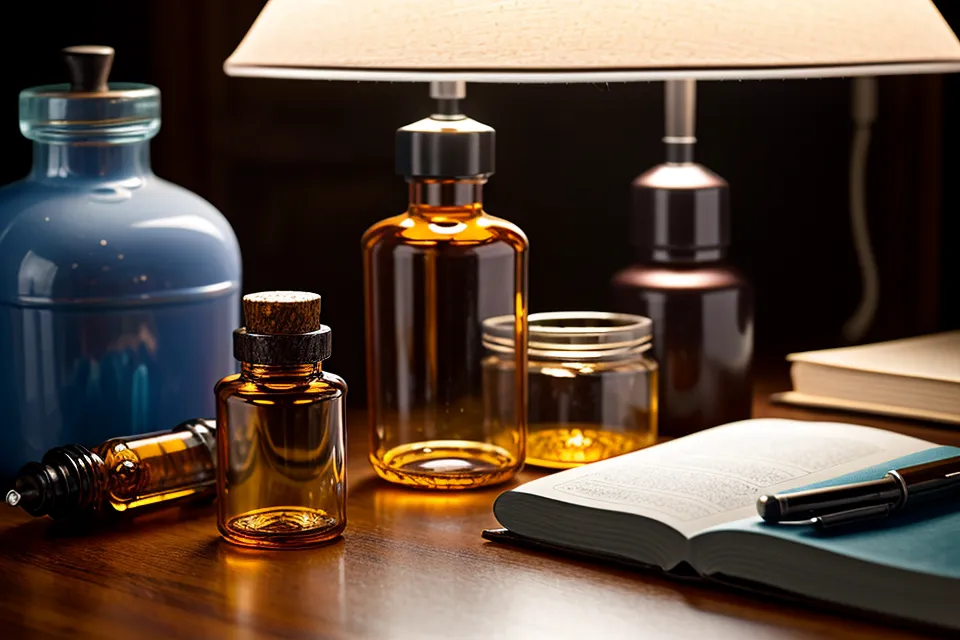
Here's the tradeoff nobody puts on the label: synthetic antihistamine sleep aids hit faster and harder than almost anything else you can buy without a prescription, but they tax your morning. Gentle botanical and amino-acid formulas ask for more patience up front and hand back a clearer head in return. If you need to be unconscious tonight, no matter what, a slow-build formula will feel disappointing. But if the actual goal is walking into a nine o'clock review without three coffees just to function, that patience is the better trade.
My friend Sasha Moretti, a product manager who treats every wellness trend with the same raised eyebrow, laughed when I told her I was testing sleep aids that month. "Congratulations on your new side career as a human lab rat," she said. Fair enough. But the proof that the slower route actually worked showed up during a four-hour strategy offsite — the exact kind of meeting that used to flatten me by the two-hour mark. Instead of hunting for a wall to lean against, I sat through the whole thing tracking every argument on the whiteboard without losing the thread once.
Three Over-the-Counter Options Worth Knowing About
A reader named Zora Hepburn emailed me after a piece I wrote on productivity and sleep — a real email, not a comment — describing her own version of that conference-room moment, except hers hit during a grant deadline. She works in nonprofit management, and she brings that same budget-conscious lens to everything, including whether a sleep supplement is actually worth the investment. She asked me directly which of these three was worth it when you don't have a corporate budget to throw at the problem. My answer was the same then as it is now: the guarantee window matters more than the sticker price. If a company won't stand behind its own formula for at least sixty days, that tells you something, regardless of what it costs.
YU SLEEP Calms the Brain That Won't Stop Drafting Emails
YU SLEEP ended up doing the most for the loud, looping evening thoughts that used to keep me rehearsing tomorrow's agenda in the dark. It isn't melatonin, so there's no groggy hangover the next morning, and it never gave me the vivid, unsettling dreams that high-dose melatonin gummies seem to trigger. The catch is patience — it took about ten days of consistent nightly use before I noticed a real shift, which lines up with what the brand itself says to expect. I started pairing it with silk sleep masks to block out streetlight through the blinds, and the combination did more than either one alone.
How SleepLean's Metabolism Angle Supports Sleep
For me, stress shows up as an eleven o'clock kitchen raid more often than I'd like to admit. SleepLean is built for exactly that overlap — it pairs calming herbs with ingredients aimed at metabolism, so it's doing double duty on the sleep-and-snacking loop at once. It genuinely blunted those late cravings for me. If late-night eating isn't part of your particular stress pattern, though, you're paying for a feature you'll never use, and I'd put your money toward one of the other two instead.
ChronoBoost Pro Cleans Up After a Brutal Week
Some weeks, eight hours simply isn't happening no matter what you take at night. That's the gap ChronoBoost Pro is built to cover — nighttime support paired with something for the brain fog and energy crash the next day. I wrote the longer version of that experiment separately, in this piece on using ChronoBoost Pro for cognitive function and sleep deprivation, if you want the full account. Short version: it earns its place for damage control, even though the single-bottle entry price runs higher than I'd like unless you commit to a bigger order upfront.
How to Use an OTC Sleep Aid on a Brutal Schedule
None of these three fix anything if you're still answering Slack messages in bed with your screen brightness turned all the way up. A few adjustments decide whether a supplement earns its spot on your nightstand or just sits there unused. Stick to the dose printed on the label — doubling up because you're desperate doesn't make you fall asleep twice as fast, it just means you're guessing with your own body. Build in a real gap between closing the laptop and taking whatever you've chosen; even twenty or thirty minutes helps, and I usually fill that gap with a few minutes of evening yoga to quiet the mind instead of scrolling. By the time I'm through that gap, the only light left on in the room is a small salt lamp turned down so low it's barely more than a dim amber smear in the corner — not because a study told me to, just because anything brighter undoes the rest of the effort. Track the right outcome, too: not just how fast you fell asleep, but whether you can actually follow the thread in a morning stand-up without asking someone to repeat themselves.
Pick the Aid That Protects Tomorrow, Not Just Tonight
Strip out the marketing noise. The real decision rule, the only sleep-optimization rule that matters for a high-stress job, is this: don't optimize for how fast you lose consciousness tonight. Optimize for whether you can think clearly tomorrow, since that's the thing your job actually depends on. If loud, looping evening thoughts are your main obstacle, YU SLEEP is the one I'd start with, and the 60-day guarantee means you're not stuck with it if your chemistry disagrees. Whatever you pick, give it real time before judging it, and treat your sleep with the same seriousness you'd give a client contract — because in a high-stress job, it basically is one.
| Product | Rating | |
|---|---|---|
| YU SLEEP Top Pick | 9.2 | Read More → |
| SleepLean | 8.5 | Read More → |
| ChronoBoost Pro | 8.8 | Read More → |
YU SLEEP
Pros
- + Calms racing evening thoughts without melatonin hangover
- + Gentle botanical formula supports natural sleep cycles
- + Backed by an official 60-day money-back guarantee
- + No morning cognitive fog during early client presentations
Cons
- ▹ Only available directly through their official site
- ▹ Took about ten days of consistent use to feel the full effect