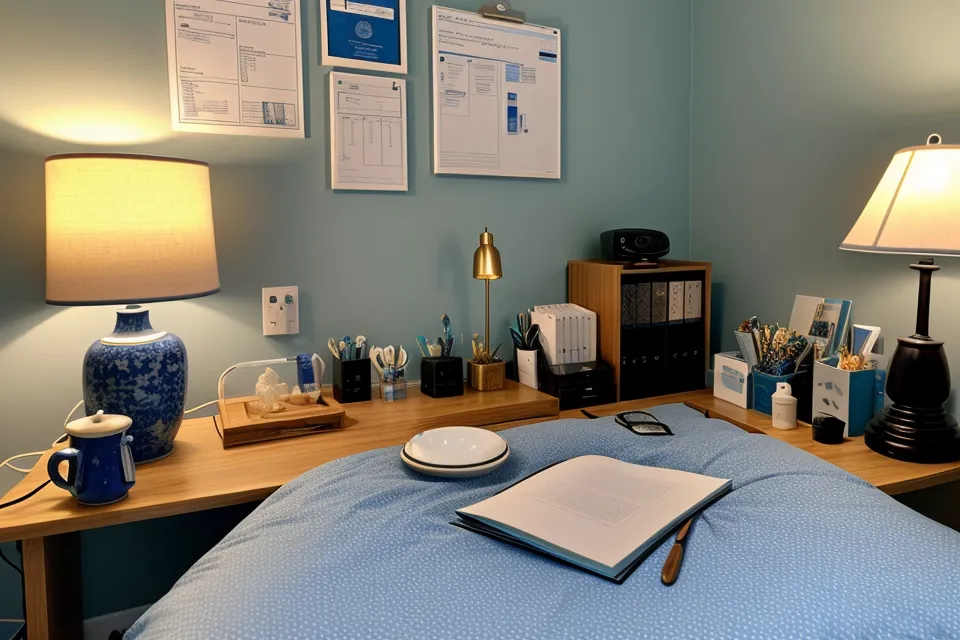
My bedroom thermostat is locked at sixty-five degrees, no matter what the workday did to me first. Getting there took real trial and error — figuring out what a bedroom environment actually needs to do for someone one brutal quarter away from professional burnout, instead of just guessing at it.
Quick disclosure before we get into the mechanics: this post has affiliate links, and if you buy through one I may earn a commission at no extra cost to you. What I mention here I have tested during real fifty-hour work weeks, not a slow month. I am not a doctor or a sleep coach — just a marketing director who fell asleep once during a client call and decided that was enough.
What Temperature Should Your Bedroom Actually Be?
Sixty to sixty-seven degrees Fahrenheit — that is the range where sleep research consistently points to the best sleep onset and the best sleep efficiency, temperature-wise. In Celsius, that is roughly fifteen to nineteen degrees. Your body needs to lower its own core temperature to start the sleep process, and a room sitting inside that range lets the drop happen on its own instead of fighting it all night.
Why Colder Isn't Automatically Better
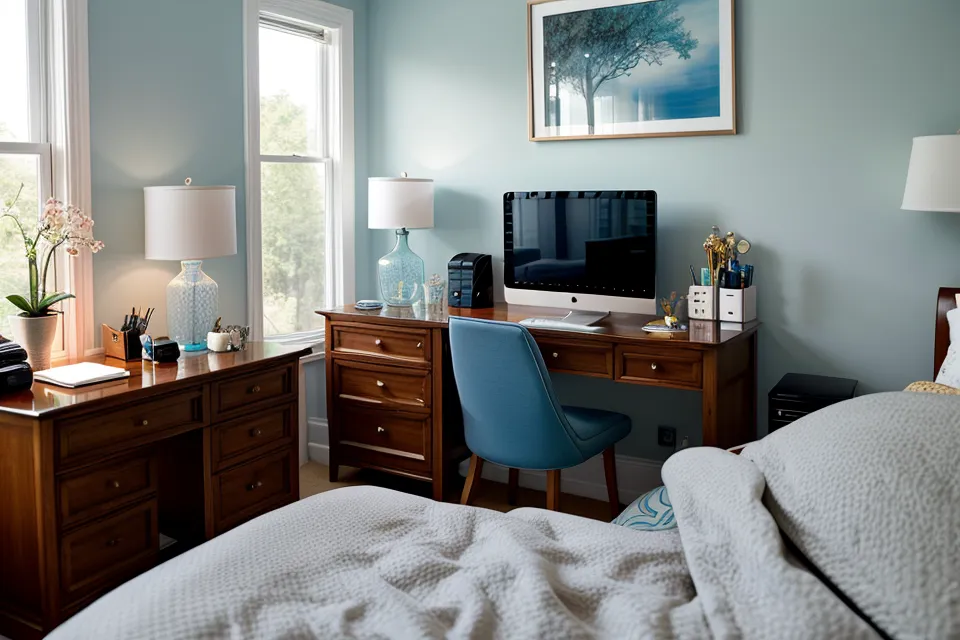
More cool air is not automatically better, and I learned this the expensive way. Convinced that if sixty-seven was good then fifty-five had to be even better, I cranked a portable AC unit and left the window cracked to the night air. It backfired hard — I woke up with an ice-cold nose, a tension headache from shivering half the night, and a very unimpressed person next to me. There is a real difference between cool and what felt like cold storage.
Damien Ulrich, a friend who keeps hours almost as brutal as mine, just laughed when I told him about it. His own fix for a bad night, he said, is to complain about it for twenty minutes and then do nothing differently. That is fairly on brand for him.
That whole disaster is what sent me looking into Finding the Best Cooling Mattress Pads for High Stress Night Sweats instead of just blasting the AC — something that cools the body directly instead of turning the whole room into a freezer. A heavy duvet over a temperature-regulated setup does more work than raw air conditioning ever did for me, and it does not come with the middle-of-the-night wake-up call.
The Internal Heat That Stress Adds
Here is the thing: a cold room does not fix a hot brain, and that gap is where most temperature advice quietly fails people with demanding jobs. Lying there running through tomorrow's meeting agenda generates its own kind of heat, and no thermostat setting touches that part of the problem. YU SLEEP is the piece that ended up covering that side for me — it is not a sedative, it just seems to turn down the internal setting that a stressful week cranks up, using natural ingredients instead of leaning on melatonin the way most of what I tried before did. Stress adds its own heat load on top of all this — cortisol runs your baseline internal temperature a notch hotter than it would sit on a calm week, which is a separate topic I have covered in full at How to Lower Cortisol Levels for Better Sleep After Stressful Weeks, so I will not repeat it here. During the heaviest weeks I still sometimes pair the room changes with something else — I have written separately about Why I Use Magnesium for Sleep and Anxiety as a Busy Director for anyone curious about that angle, though YU SLEEP stays my main tool when my inbox will not quiet down in my head. My dentist noticed the shift before I mentioned any of this — no fresh grinding wear on my molars at a recent cleaning, which she brought up before I said a word about the room or the supplement.
The Rest of the Bedroom Environment Stack
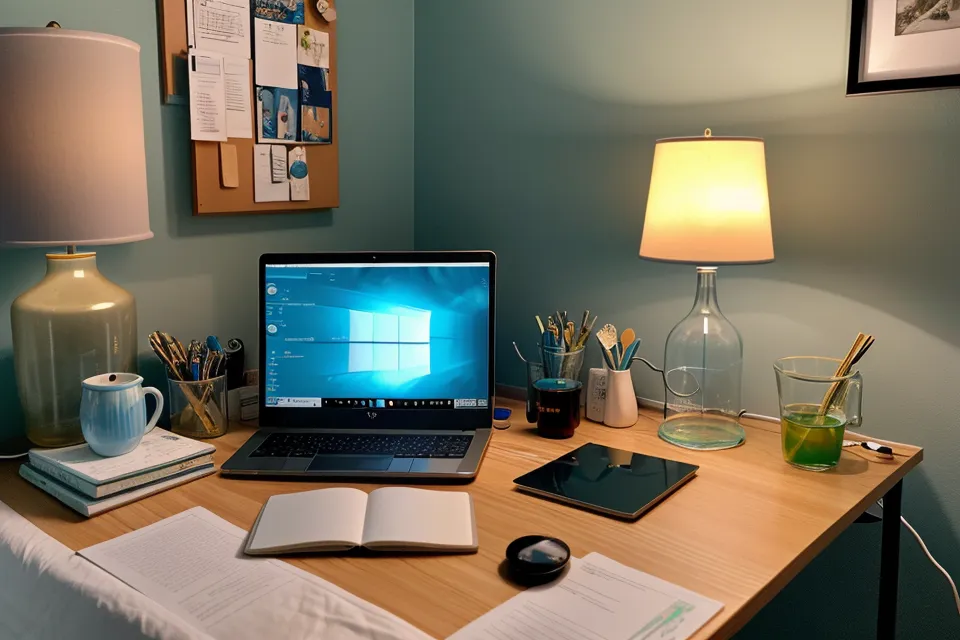
Temperature is only one piece of what actually controls sleep quality in a bedroom, and treating it as the whole stack is where most home fixes fall short. Heat-generating electronics change the math fastest — a laptop and an extra monitor running just a few feet from where you sleep create a real microclimate, and that spot can be several degrees warmer than the rest of the room even when the thermostat reads sixty-five everywhere else. Bedding weight matters just as much: a heavy duvet against cool air signals to your body that the day is done in a way that a thin sheet in an equally cool room does not manage nearly as well. Darkness and humidity round out the stack — a room that is cool but bright, or cool but dry enough to leave your throat scratchy, undercuts the temperature work you just did. None of these fixes anything on their own. Stacked together, they are what actually changes a night.
Set Up the Room in This Order
Start with the electronics, since they are the easiest fix with the biggest payoff. Shut the work laptop down — not sleep mode, fully off — at least ninety minutes before bed, because the heat it vents into a small bedroom is real and the light from the screen makes the timing worse. I tried a much stricter version of this once, a flat thirty-day no-screens-after-nine-p.m. rule, and it collapsed by day five, in the middle of a product launch that needed my laptop open past midnight three nights running. Rules that do not survive a launch week are not rules, they are wishes.
Next, the thermostat itself — set it to sixty-five if you can control it directly, or run a small fan if you cannot, since the goal is letting your body shed heat rather than freezing the room into submission. A warm shower about an hour before bed actually helps here, which feels backwards until you think about what it does: it pulls blood to the surface of your skin, so stepping into a cool room afterward drops your core temperature faster than skipping the shower would. Managing the room gets you most of the way there, and YU SLEEP is what I lean on for the part the thermostat cannot touch, especially on weeks that do not let up.
The Thermostat Is Only Part of the Fix
Rowan Ng, a former colleague who found this blog by accident and messaged me out of nowhere, asked whether the temperature thing actually works or whether it is just placebo dressed up as biology — a fair question from someone who has spent years annoyed at his own night-owl schedule. The honest answer is that a cool room fixes exactly one variable, and several others work against a stressed-out professional at the same time. How much sleep debt you are carrying into the week changes how much any single night can repair. The structure of a night's sleep — how much of it is light, deep, or REM — matters separately from the room temperature that helped you fall asleep in the first place. Caffeine sitting in your system longer than you think, how groggy a badly timed nap leaves you, the difference between passing out after a few drinks and actually sleeping, and whether you wake up at a consistent time every day all sit alongside the thermostat, not underneath it. I am not going to unpack every one of those here.
What I can tell you is that the room is worth fixing first, because it is the one variable that does not require willpower at eleven p.m. when you are running on fumes. If you want to try what worked for the stress-heat side of things, YU SLEEP is the piece I would point you to — it has been steady for me, and the sixty-day money-back window keeps it low-risk if your schedule does not respond to it the way mine did. Moving my own nights from simmering to actually rested was never one single hack. It came from treating the room like a system with several knobs, not one thermostat.