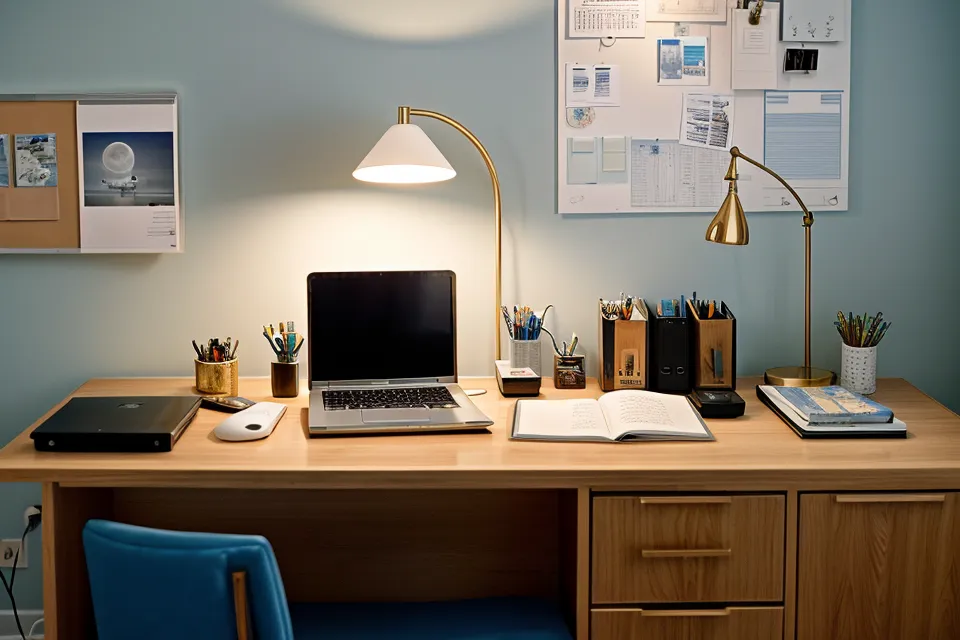
Red light doesn't feel like anything at first, then it feels like standing near a fireplace, a strange full-body warmth that has nothing to do with actual heat. That single sensation is the whole pitch behind red light therapy for sleep, and it's the thing I get asked about most by coworkers whose cortisol apparently never got the memo that the workday ended.
Quick disclosure before we go further — some of the links below are affiliate links, and if you buy through them, I earn a small commission at no extra cost to you. I only mention things I've actually put to the test during my own ridiculous work weeks. None of this replaces real medical advice, and I'd rather you skip a product than take my word as gospel.
A little about me, since it explains the rest of this: I'm a marketing director in San Francisco, not a sleep coach and not selling a philosophy. I got serious about all of this after nodding off mid-sentence in a client meeting, a level of professional humiliation I don't recommend as anyone's wake-up call.
Cortisol Doesn't Know the Workday Is Over
Here's the comparison that actually matters before anything else: what your body is doing during a deadline crunch and what it's doing an hour before bed look almost identical, chemically. Cortisol is supposed to peak in the morning and taper toward midnight, letting cortisol drop low enough for sleep to take over on its own. Managing teams and client accounts for ten-plus hours a day keeps that curve flatter than it should be.
Bright, clinical LED overheads make it worse. That flat white light tells your circadian rhythm it's the middle of the day, which is a strange thing to be broadcasting to your own nervous system at the exact moment you need it to stand down.
A friend of mine spends weekends wheel-throwing pottery at a studio in Dogpatch, hands covered in clay, phone left in a bag across the room — an actual, unglamorous cutoff between work brain and everything else. I don't have anything built in like that. My version of a break is eating lunch at Dolores Park on a Tuesday, thumbing through Slack with my free hand the whole time, which tells you exactly why my cortisol curve never really flattens out on its own.
Red Light vs. Everything Else in the Room
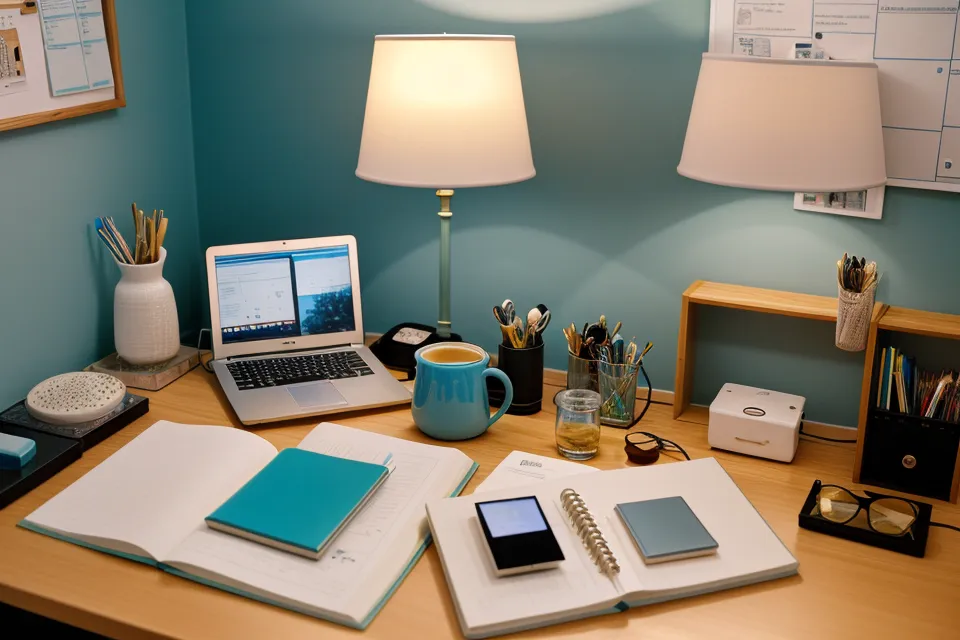
Light is the easier half of this comparison to fix, so it's where I started. Swap the overheads for something that doesn't scream daytime and the room stops working against you.
I bought a small panel that puts out visible red light at 660 nanometers and near-infrared at 850 — pretty standard specs for this category, roughly mimicking the low, warm light of sunset instead of the flat white of an overhead fixture.
The change in the room was immediate, even if the change in my actual sleep wasn't. Harsh overheads click off, a deep crimson glow fills the space instead, and the whole home office stops feeling like an extension of the inbox. I started turning it on during my last stretch of admin work, and it became a visual cue that the high-stress part of the day was closing, separate from whether my brain actually believed it yet.
Where Light Alone Runs Out of Road
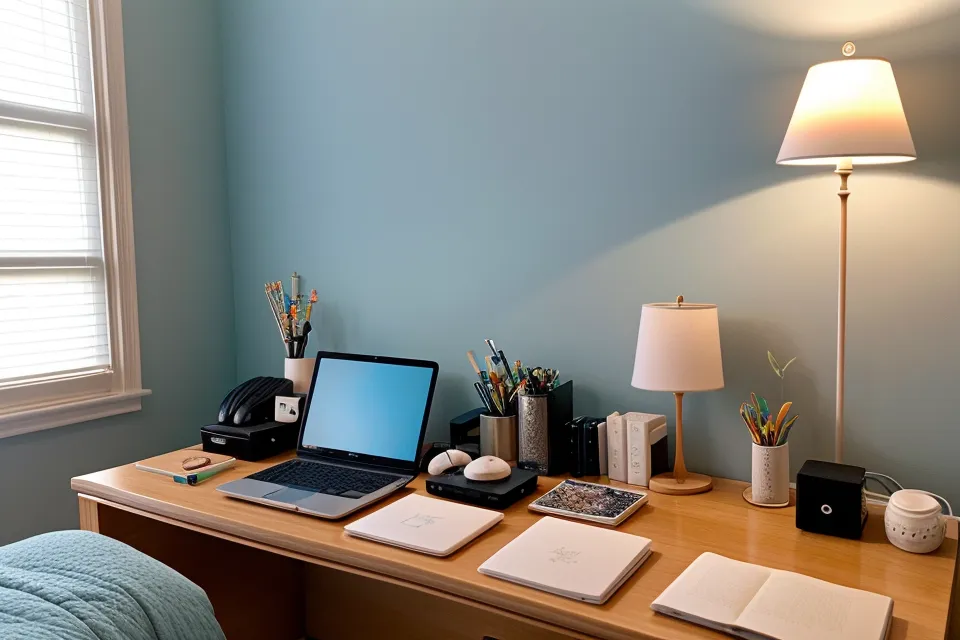
Environment can only do so much work on its own. My eyes stopped feeling raw by the end of the night, which was real progress, but the internal hum of anxiety that comes with a full inbox didn't care what color the room was. Light changes the signal your environment sends. It doesn't touch the chemistry underneath.
I've written before about Managing Marketing Stress and Sleep With Yu Sleep After Busy Seasons, and this is where the room fix and the chemistry fix start to diverge. One dims the outside noise. The other has to reach further in.
YU SLEEP became the chemistry half of the equation for me. I started folding YU SLEEP into evenings alongside the red light instead of relying on the light by itself. It's a natural formula without a melatonin dependency, which matters because melatonin leaves me groggy the next morning no matter the dose. The point isn't sedation, it's letting the fight-or-flight reflex actually stand down into something closer to real sleep instead of just quiet.
My dentist mentioned, completely unprompted, that my molars looked less worn down than they used to — she noticed before I'd said a single word to her about any of this.
If you're skeptical of supplement claims, and I generally am, the 60-day money-back guarantee is the reason I felt comfortable testing it during a stretch when I genuinely couldn't afford to gamble on a bad night's sleep.
Why Red Light Right Before Bed Can Backfire
Here's the case most people get backwards: they assume more red light exposure is always better, right up until the moment their head hits the pillow.
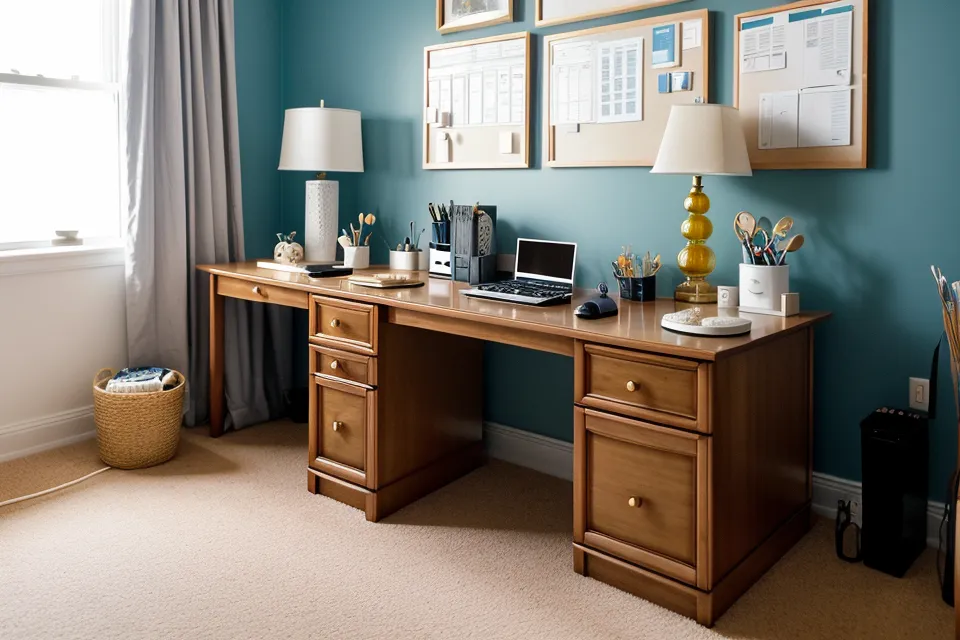
Sit in front of the panel for twenty minutes right before lights-out and instead of drowsy, you get a jolt. Skin warm, pulse up, suddenly motivated to reorganize a closet at an hour when closets should be the last thing on your mind. Red light is technically low-energy, but it's still stimulating to your cells, and blasting yourself with it too close to pillow-time can leave you more awake than when you started.
Compare that to the four-day evening-routine bootcamp I signed up for once and never got past module two of, all worksheets, no actual change to when I closed my laptop. Red light did something that course never managed, but only once I stopped using it as a bedtime finisher and started treating it as an evening cutoff instead, timed well before sleep rather than right up against it.
The fix ended up being timing, not more willpower. I keep the active session at least two hours before I actually want to be unconscious, and I pair it with a brain dump so the light isn't competing with a mental task list for my attention.
So Which Approach Actually Earns a Spot in Your Evening?
Mornings matter just as much as nights. Morning sunlight sets the clock that red light later helps close out. Skip one and the other ends up working twice as hard for half the payoff.
If you want a lighter starting point — something that touches sleep, focus and daytime energy without turning your evening into a whole new project — ChronoBoost Pro is the one I'd point a beginner toward, stimulant-free and easy to fold into a routine that's already stretched thin.
Treat this like choosing between two vendors for the same job, not a search for one miracle fix. If your evenings genuinely end at a reasonable hour and you can give the panel real distance from bedtime, red light plus a supplement like YU SLEEP pulls its weight. That combination changed my nights more than anything else I tried. If your day doesn't actually end until you're already under the covers scrolling one more Slack thread, the timing math won't work in your favor no matter which device you buy, and the better move is fixing that boundary before adding new gadgets to the routine. None of this pays down sleep debt built up over a genuinely rough month, and it won't fix a schedule that never really lets you off the clock.
Either way, I'm still a marketing director with a full inbox and an email habit I haven't fully broken. But I'm not the one nodding off during someone else's presentation anymore, and weighing what actually works instead of collecting more tools was the difference.