
Nine. That's roughly how many messages I get most weeks, all some version of the same question — does any of this sleep optimization stuff actually work once your calendar looks like mine. Short answer up front: yes, but not from one single supplement, and not without a couple of expensive dead ends along the way. This is the career-burnout, honest-supplement-review version of that professional-wellness story, not another tidy transformation arc.
Update (September 2026): Resurge is no longer available for purchase; this article is kept for reference. Our current value pick in this category is ChronoBoost Pro.
Quick disclosure before going further: a couple of the links below are affiliate links for the two supplements mentioned here, and I earn a small commission if you buy through them, at no extra cost to you. Only what survived an actual brutal work stretch gets recommended, not whatever looked good in a press kit.
Resurge Helped, But Only to a Point
Getting real deep sleep back was the actual goal, not just more hours in bed, and Resurge was the first thing tried once a launch season made caffeine and stubbornness stop working. It is built to support that stage of rest some people describe through the glymphatic system, though this is not the place for a neuroscience lecture — the full stage-by-stage sleep-architecture breakdown belongs to another piece, so here it's just what actually changed.
What changed was the pattern of getting home, brain still spinning through KPIs, and lying there fully alert for an hour. Resurge is the most affordable of the supplements tried here, and it has been around long enough that it is not chasing a trend — the tradeoff being an older formula that can plateau once daytime brain fog becomes the bigger issue.

The Clock-Watching Spiral Behind Bad Sleep
Some of the worst nights during a busy season have nothing to do with the supplement and everything to do with anxious clock-watching — checking the time, doing the math on hours left, and triggering the exact stress response that keeps sleep away. That particular spiral gets a full breakdown in the piece on lowering cortisol during stressful weeks, so consider this the short version: stop counting hours, protect one undisturbed block instead.
Switching to YU SLEEP After the Plateau
That plateau is exactly why the switch to YU SLEEP happened, once a mid-cycle crunch made morning fog the bigger problem than nighttime restlessness. It skips heavy reliance on melatonin, the ingredient that always caused a hit-by-a-truck feeling the next morning no matter how many hours were logged, and it comes with a 60-day money-back guarantee, which matters a lot to someone who manages budgets professionally. About ten days passed before a real shift showed up — slower than hoped for at the time, but it held up better than anything quicker had before it.
Working in Bed Is the Real Problem
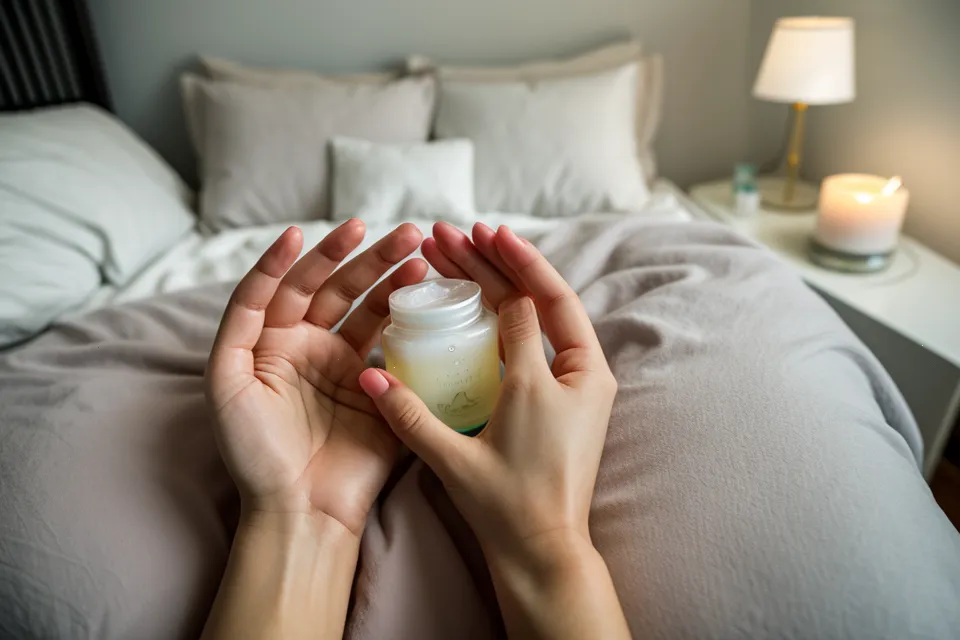
Checking email before bed still happens more often than any productivity account on the internet would approve of, and fair enough — blue light from a laptop screen can suppress melatonin release for hours, part of why blue light blocking glasses for late night emails became a habit. That is harm reduction, not a fix, for someone who is not going to fully unplug during a launch week. There is a bigger case for a hard boundary between laptop and bed made in full elsewhere; this is just the honest, imperfect version of it.
What Do I Do When My Brain Won't Turn Off Anyway?
Some nights, not much; you just ride it out. One particularly rough evening involved forty minutes spent rereading the same three lines of a strategy document without absorbing a word of it, so the laptop closed, a few minutes went into journaling for late night thoughts to get the loose ends out of my head, then came the YU SLEEP, and bed instead of fighting it. The same document that had won the night before took ten minutes to finish the next morning.
Do Magnesium Sprays or Other Quick Fixes Actually Work?
Plenty of quick fixes do work; plenty don't, and one of the more annoying lessons this year came from a magnesium spray — a pricier one that a lot of accounts were pushing hard — which mostly left a greasy film on the pillowcase and did nothing measurable for actual sleep. My friend Sasha, a product manager who has heard every wellness pitch there is, likes to point out, usually while catching up at the Marin Headlands overlook on a Saturday morning, that half this industry is just selling structure back to people too busy to build their own. A trending product will not fix a scheduling problem.
A Few More Questions People Ask
A couple of smaller things come up constantly, so here are the quick hits: bedroom temperature matters, but it is one piece of a bigger environment — noise, light, and mattress feel all interact more than any single variable does alone. On plenty of nights the street outside is still audible before a sound machine takes over and smooths it into something forgettable; that full setup deserves its own piece rather than a paragraph here. Caffeine timing matters too, more than people expect, since it lingers in the system long after the jittery feeling fades, which is why the actual cutoff ended up earlier than felt reasonable at first.
Naps are trickier than they look — the wrong wake-up point in the cycle leaves a groggier feeling than before closing your eyes, not a refreshed one, and that is its own rabbit hole covered separately. A glass of wine before bed feels like the same thing as sleep in the moment. It is not; the second half of the night tends to come out rougher than people expect, which is a fuller comparison for another time.
A schedule that changes every week does not need an identical bedtime so much as one anchor point that holds steady no matter what time the rest of the day starts — building that out fully is a longer piece on its own. And for the sleep-debt question: sometimes it really is nothing more than a rough Tuesday, sometimes it is a deficit that quietly stacks up night after night, and enough short nights back to back means one good weekend will not undo it.
Does Any of This Actually Change Anything?
Zora Hepburn, a reader, emailed once — not a comment, an actual email — about nodding off at her desk during a grant deadline, asking whether any of this was worth the effort without a marketing director's budget to throw at it. Her nonprofit lens on the question was blunt: is the return on any of this actually worth the time. My answer was the same thing I would tell myself after one particularly brutal board meeting, the night the lamp went off and sleep came in under twenty minutes for maybe the first time in ages: yes, but the payoff is boring. Fewer weeks feel like a car crash. More weeks feel like a normal, tired-but-functional Tuesday.
My Actual Advice for the Burned-Out, Tired Professional
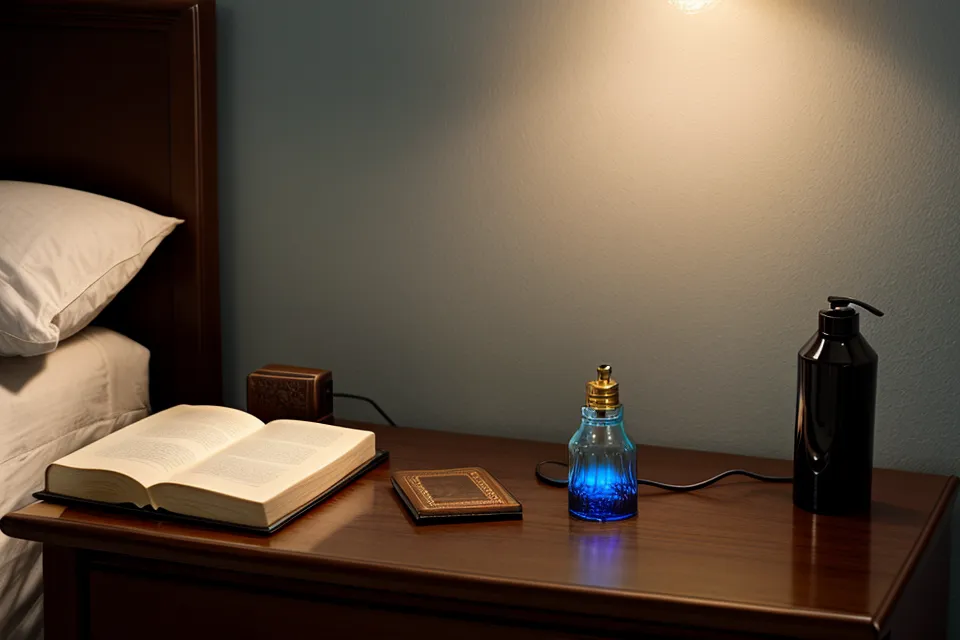
Talking to an actual doctor before adding any new supplement matters, especially with existing medication in the mix — not a legal formality, more a genuine acknowledgment of not being qualified to say otherwise. Stopping the all-nighter cycle does not happen through willpower alone, and it does not happen overnight either. Resurge is a reasonable, budget-friendly starting point for anyone new to all this. For a plateau like the one hit here, needing something to handle the fog on top of the sleep itself, YU SLEEP is the one that actually shifted things, even though it took its time to prove it. The inbox survives the extra twenty minutes it takes to fall asleep instead of doom-scrolling it.