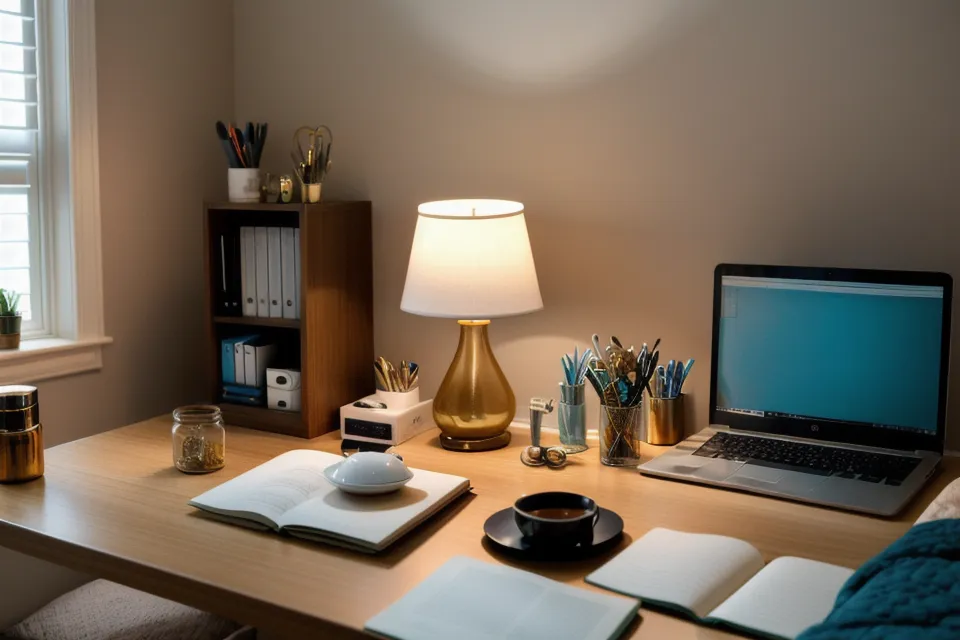
Six trucks. That's how many idled under my bedroom window one night, engines running long after a construction permit should have expired, while I lay flat on my back doing the math on how many hours of sleep I had left before a status call the next morning. City living in San Francisco comes with a noise pollution tax nobody mentions when you sign the lease, and mine had already turned my nervous system into something running on high alert most nights, still raw from the meeting where I'd actually nodded off mid client presentation, pen frozen over a notepad nobody noticed I'd stopped writing in.
The Sensory Tax of Noise Pollution in a Loud City
Living here is a sensory tax you don't notice paying until your nervous system sends you the bill. For years I told myself I was just a light sleeper, blaming the fifty-hour marketing weeks or the Slack notifications that landed at eleven at night. Even after I'd already started to break the blue light habit and leave my phone charging in the kitchen, the city itself refused to go quiet. Cutting my own screen time was step one of a longer evening cutoff, and it helped, some, though a phone in another room doesn't touch a fire truck two blocks away.
My brain, fried from a day of campaign metrics and budget shifts, treated every siren like a personal insult. There's technically a noise ordinance buried somewhere in the city code that's supposed to protect apartments like mine after certain hours. I looked it up once out of pure spite, and it gave me exactly zero comfort at two in the morning with a delivery truck idling outside. What I actually had was auditory fatigue, plain and simple, and no amount of reading the fine print was going to fix that.
Look, I'm not a doctor, and I have zero medical training beyond a worrying amount of time spent Googling at 1 a.m. If your own sleep problems feel like more than an environmental issue, talk to an actual professional, not a marketing director with strong opinions about brown noise. For me, the first step was admitting that real silence isn't something this city offers, so I needed to build a better kind of noise instead.
Why My Phone Speaker Never Stood a Chance
Before any of this, I tried nearly everything else sitting around in the general sleep toolkit. I cut caffeine early enough that it would actually clear my system by bedtime, chased morning sunlight on the walk to the office because apparently that resets your internal clock better than any app does, taped my mouth shut for one deeply uncomfortable night because someone online swore by nasal breathing, gave up the evening glass of wine once I realized sedation and actual sleep are not the same thing, and tracked my heart rate variability like it was a KPI on a dashboard. None of it touched the real problem, which was that my apartment sounded like a construction site with a heartbeat. I also spent real money on a magnesium spray that promised deep, restorative sleep and instead just left my pillowcase greasy without doing anything measurable for how I slept.
Naturally, I started with my phone, propping it on the nightstand and looping a recording of rain on a tin roof. It worked for about twenty minutes, right up until a car alarm went off outside and the tiny, tinny speaker simply couldn't compete. A phone speaker simply can't move enough air to mask the low rumble of a city bus, no matter how loud you crank the volume.
Finding a Sound That Didn't Feel Like an Assault
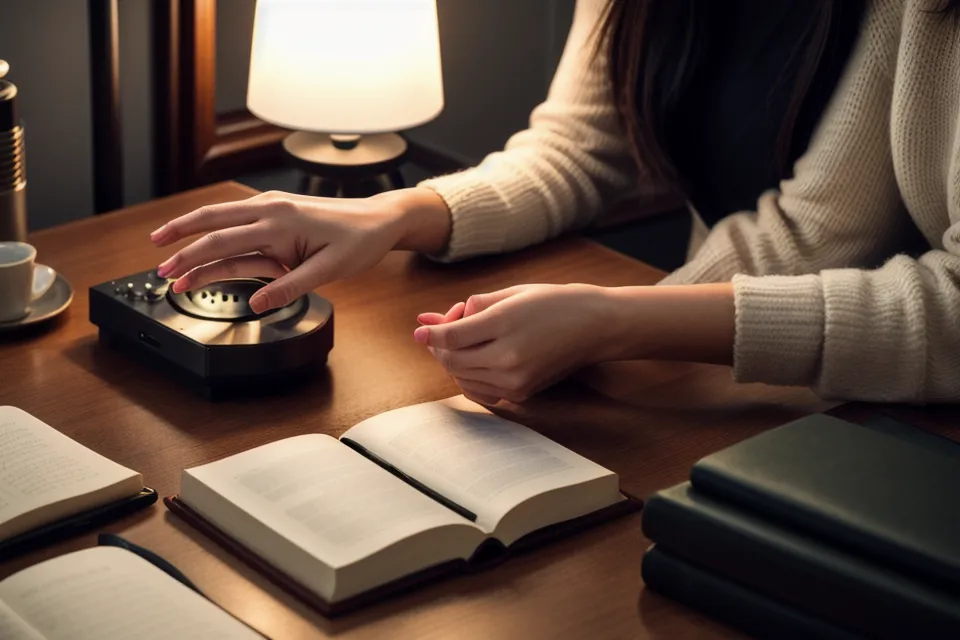
Eventually I bought dedicated hardware, something with no screen and no notification light blinking at 3 a.m. Static-style white noise was the obvious first stop, but for someone with my baseline anxiety it felt too sharp, almost like a hiss aimed at my ear. Then I found pink noise, which sounds smoother and more natural, closer to steady rainfall than static. Brown noise went deeper still, more like the low thrum of a plane engine or a waterfall a block away, and that heavier, duller sound turned out to be the one my nervous system actually trusted. What all three are really doing is something people call acoustic masking, which means burying the sharp, jarring sounds under something steadier and more predictable. Once I understood that much, the specific noise color mattered less than just finding one my body didn't flinch at.
The Night the Construction Crew Didn't Win
The real test came when an emergency night crew started jackhammering the street right outside my building. In the past this would have wrecked me completely, lying awake recalculating how many hours of sleep I was about to lose and how much coffee it would take to survive a morning status call. That night I turned the machine to a deep brown setting instead and slept through the entire shift.
It wasn't that the machine erased the jackhammers. It raised the ambient floor of the room so the sudden spikes weren't sharp enough to yank my brain out of its sleep cycle, and that distinction mattered more than I expected. There's a specific two inches my shoulders drop the moment the machine clicks on now, some kind of Pavlovian signal that the workday is actually over and the bedroom isn't just a second office with a bed in it.
Does More Noise Make You Weaker to Silence?
Here's the thing nobody warns you about: constant noise might be a trade, not a fix. Using the machine every single night, I've noticed I've become more sensitive to small disturbances the few times it's off. A floorboard creak sounds like a gunshot when I'm staying somewhere without it, like my brain forgot how to habituate to an imperfect room on its own.
My friend Sasha met me for coffee at the Blue Bottle inside One Ferry Building one weekend, and I told her about all of this half-expecting her to think I'd completely lost it. Sasha, who does open-water swims in the Bay pretty much year-round cold snap or not, had sent me a sleep tracking app link years ago, long before I'd admit I needed one. She just raised an eyebrow. "You're doing the opposite of what I do," she said. "I get in cold water on purpose so my body stops panicking about it. You're insulating yourself from every hard thing." It stuck with me more than I wanted it to.
So now I try to leave a few quiet nights on purpose, when the block is actually calm, instead of running the machine out of habit every time. It's part of how I've come to manage the Sunday Scaries too, one small stress-management trick nested inside a much bigger one, using the machine deliberately as a signal to let go of the week's deadlines, instead of leaning on it as a crutch I can't function without.
Twelve Weeks Later, Here's What Actually Changed
By week twelve of actually sticking with this, something small but real had shifted. I was finishing a client deck at eight one evening and the sentences held together on the first pass, with no third read-through to catch the fog and no rewriting the same line four times because my brain kept sliding off it. That's such a small thing to notice, and it's the thing that actually told me the sound barrier was working, more than any tracker ever did.
None of this fixed everything, and I won't pretend otherwise. My cortisol doesn't exactly clock out the second I close my laptop, and I still open it back up some nights well past ten, which is its own separate habit I haven't broken. The noise machine didn't touch my actual sleep architecture, the deep-versus-REM split that's a whole separate rabbit hole, and it did nothing for the grogginess when I let a weekend nap run too long into what's apparently called sleep inertia. Eating too close to bedtime still wrecks a night more than I'd like to admit. What the machine did do was stop adding new debt to a pile that had been growing for months, one siren and one slammed car door at a time.
Temperature mattered just as much as sound, it turned out. A bedroom running even a couple degrees too warm undid a good chunk of what the machine bought me, which is its own lesson in how sleep is never just one lever. The noise machine was one piece of a bigger environment stack: sound, temperature, light, and timing. Pulling only one of those without touching the others only got me so far. Circadian anchoring, waking up at the same time regardless of how the night went, turned out to matter more than almost anything else on this list, though at the time it just felt like stubbornness. A round of progressive muscle relaxation before bed helped some nights more than the noise did, and keeping a running brain-dump list of loose work thoughts probably did more for my actual anxiety than any sound machine ever could.
A reader named Zora Hepburn sent me an actual email, not just a comment, after a piece I wrote about productivity and sleep, describing her own version of that presentation nod-off, except hers happened during a grant deadline week at the small nonprofit she runs programs for. She was blunt about it, practical in a way I appreciated: she wanted to know straight up whether a noise machine was worth it, or if I was just romanticizing my own bad habits for clicks. My answer wasn't about any specific product. It was about the category: hardware over an app, something built to move real air instead of a tinny phone speaker pretending it can.
If there's one thing I'd actually tell someone else drowning in city noise, it's this: stop trying to will yourself into a silence that doesn't exist here, and start controlling which noise actually reaches you instead. You can't out-stubborn a jackhammer at 2 a.m., and you definitely can't out-willpower a construction permit nobody's enforcing. But you can change what your nervous system has to fight against every single night, and that difference is bigger than it sounds when you're the one still awake at midnight doing math on tomorrow's inbox.