
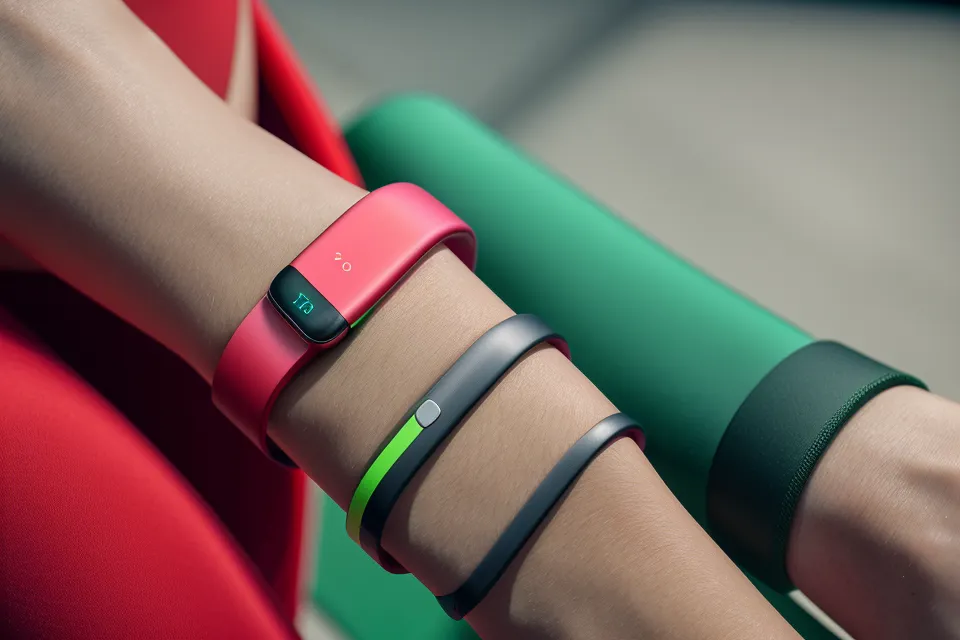
Forty-five out of a hundred — that was my average sleep score before I changed anything, according to the tracker still strapped to my wrist most nights. That single number turned a casual sleep tracking habit into a sixty-day experiment, and eventually into something closer to real burnout recovery than I expected from a phone app. People ask me the same handful of questions about executive wellness on a brutal schedule, so here are the real answers, in the order people actually ask them.
Quick disclosure before anything else: some of the links below are affiliate links, and I earn a small commission if you buy through them, at no extra cost to you. Only products I've actually used during my own fifty-hour weeks make this list, and I'll say plainly when something didn't work, because plenty didn't.
Does a Sleep Score Actually Mean Anything?
Short answer: barely, on any single morning. Mine sat in the forties for the first stretch of tracking, which the app labeled 'Poor' without further comment. The number that mattered more than the score itself was heart rate variability — mine stayed low and flat, meaning my nervous system was running fight-or-flight mode even while I was technically unconscious.
Here's the thing: one low morning means nothing. A month of low mornings means something. That's the actual answer — stop reading your score like a daily performance review and start reading it like a trend line. A single red number just tells you to check again tomorrow, not that the day is ruined.
The Habit Changes Behind My Burnout Recovery
Two changes mattered more than any product I tried, and neither involved a supplement.
Blue light blocking glasses helped less than advertised. I tried the blue light blocking glasses everyone was talking about for late-night email sessions, and they took the edge off eye strain, but did nothing for the wired-but-tired feeling underneath. Proof that not every product marketed at exhausted professionals actually fixes the problem it's aimed at.
Moving my caffeine cutoff to early afternoon felt like giving up part of my job description — deadline days basically run on espresso — but it changed my nights within days. There's a real science to how long caffeine actually lingers in your system, and once I understood that, an early cutoff stopped feeling optional and started feeling like the cheapest fix on this whole list.
Magnesium for sleep and anxiety did more than I expected, mostly by taking the edge off evening inbox dread before it turned into an actual spiral. I still tried magnesium for sleep and anxiety skeptically at first. Screens are their own separate project — I'm still not great at putting mine away, and that's a habit change no supplement substitutes for.
Chamomile Tea Never Moved My Score
Chamomile tea was the low-effort fix I wanted to work. I drank a cup every night for two weeks, tracked it the whole time, and watched my score do absolutely nothing differently — not one point, in either direction. Herbal tea is pleasant. It isn't a sleep intervention, at least not for a nervous system stuck the way mine was.
What actually moved things was paying attention to deep sleep quality instead of just hours logged in bed. Sleep architecture — the pattern your body cycles through each night, light sleep into deep sleep into REM and back again, several times over — matters more than the raw hour count. Two people can both get seven hours and have completely different nights underneath that number: one cycling properly through deep and REM stages, the other barely dipping into either.
My own deep sleep minutes told the real story. They climbed from around twenty minutes a night to nearly an hour once the caffeine and screen changes took hold, and that shift — not the overall score — is what actually made mornings feel different.
None of this is medical advice, and I'm not a doctor — just someone who needed her own data to make sense of a nervous system stuck on high alert. If something feels genuinely off, talk to an actual professional, not a blog.
Weighing Yu Sleep Against a Cheaper Option
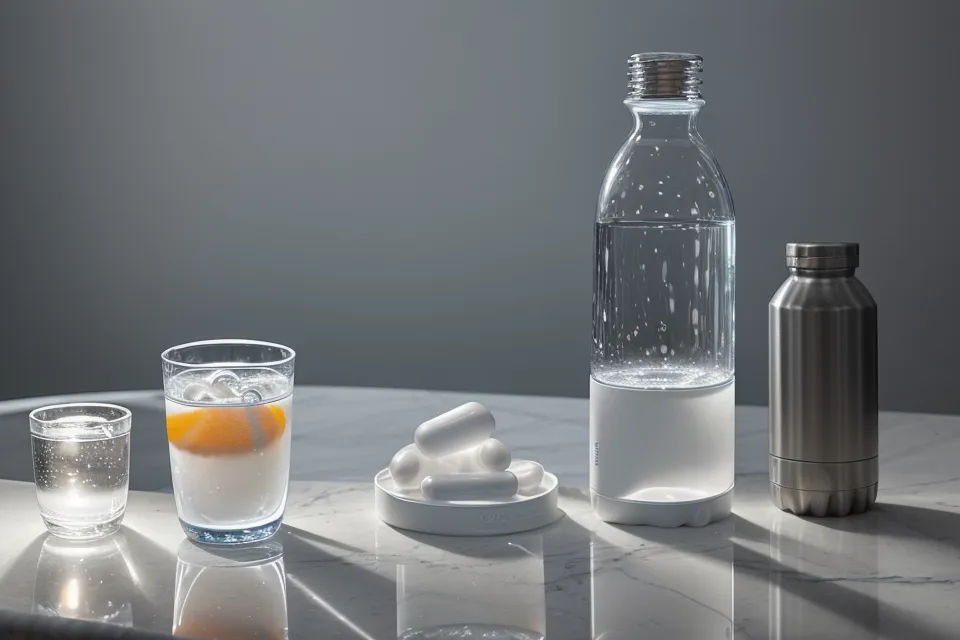
Yu Sleep is the supplement that actually did something for me. Melatonin always left me walking through wet cement the next morning, so I was skeptical going in. This felt different — less like sedation, more like whatever was keeping my brain in spreadsheet mode finally got the memo to quiet down. It came with a sixty-day money-back guarantee, which is honestly the only reason I let myself try a premium-priced bottle in the first place.
SleepLean is worth a mention for anyone dealing with stress-eating alongside bad sleep — it targets rest and metabolism together, and a couple of colleagues who tried it liked the combination. It's pricier, around seventy-nine dollars, and the metabolism angle won't matter to everyone. For my specific flavor of executive insomnia, Yu Sleep still felt like the cleaner, simpler choice.
What Changed in the Room Where I Actually Sleep
My bedroom looks different than it used to. Blackout curtains went up after a two-a.m. online-shopping spiral I'm still slightly embarrassed about, and a temperature-controlled pad now sits under the sheets where there used to be just a mattress. The standing desk in the corner still gets used most nights after ten, laptop open, which undercuts everything else I just described.
Street noise still slips in under the door some nights. A sound machine muffles most of it now, and that small fix mattered more, ranked honestly against everything else, than the temperature-controlled pad ever did.
Temperature, light, and noise stack together into something bigger than any single fix, worth a deeper look than I can give it here. Getting cortisol to drop before bed is a separate skill I'm still building, one the room can support but not solve on its own.

Rowan Ng Keeps Asking Me the Same Question
A former colleague, Rowan Ng, found this blog by accident and sent a message that basically said he couldn't believe I was the one writing it. He's the type who runs a control week before testing anything new, so his first real question wasn't about supplements — it was whether any of this actually pays down sleep debt, or just makes you feel like it does.
None of this pays down real sleep debt. That's a deeper hole, and tracking alone doesn't fill it — it just shows you how deep the hole is, which is at least useful information for someone who used to ignore the hole entirely.
He also asked about wine before a late dinner with clients, since that's a fixture of his job too. A glass knocks you out fast, but that's sedation, not real sleep, and the tracker makes the difference obvious the next morning — lower variability, less time in deep sleep, a score that doesn't match how 'fine' you felt going to bed.
Am I Actually Better, or Just Better at Managing It?
Waking up at the same time every day, weekends included, anchors the whole system in a way almost nothing else does — more than any single product on this list. My score still dips on weeks that don't allow for it, and Saturday mornings I've started hiking out to the Marin Headlands overlook, mostly because that's the one place I actually notice, in my own legs, the difference between a good sleep week and a bad one.
The night after a board meeting that left my hands actually shaking, I was asleep in under twenty minutes — the fastest my tracker had ever logged, and the closest thing to proof I've gotten that any of this works when it counts, not just on an ordinary Tuesday.
If you're looking for one place to start, Yu Sleep is still what I'd point a stressed-out colleague toward first — not because it's flashy, but because it's the only thing on this list that changed my actual deep sleep numbers, not just how I felt about them.
I still check Slack before bed some nights. Last night, actually — I told myself it would take thirty seconds, and it turned into twenty minutes of reading a client's panicked email chain. My time-to-fall-asleep metric tripled, same as it always does when I do this. Progress isn't the same as perfection, and I'm done pretending otherwise.
My friend Damien Ulrich, who keeps hours just as brutal as mine, still texts me sleep articles at eleven at night without a hint of irony, as if the timing isn't the entire joke. That specific grogginess you get after a short nap has its own name and its own fix, unrelated to anything happening at night — a separate rabbit hole for another time. For now: track the trend, not the single score, fix the habits before reaching for the supplement, and expect progress that looks more like a B than an A. That's the whole answer, minus the parts I'm still figuring out.